Charbel-Raphaël Segerie
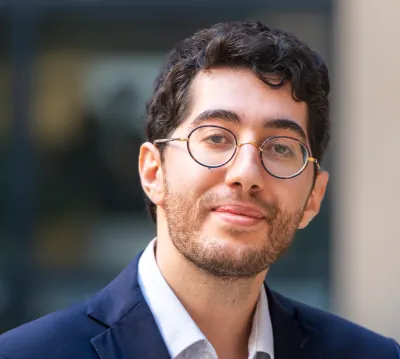
Executive Director, CeSIA
(Center for AI Security, an international think tank & expert center)
EU AI Act, GPAI Code of Practice Evaluator
OECD AI Expert
LinkedIn · X · Scholar · GitHub
Contact, press & speaking:
charbel@cesia.org
AI safety researcher, policy expert at the intersection of technical AI safety research and international governance. Executive Director of CeSIA, the Center for AI Security, an international think tank and expert center, which he co-founded in 2024 after creating the first university-accredited course on general-purpose AI safety in the EU (ENS, 2022). Initiator and co-lead of the Global Call for AI Red Lines — endorsed by 12 Nobel laureates and presented at the UN General Assembly and Security Council. He is member of the IASEAI Council.
| Short bio | Selected takes | CV (PDF) | Press & speaking: charbel@cesia.org |
Policy & Impact
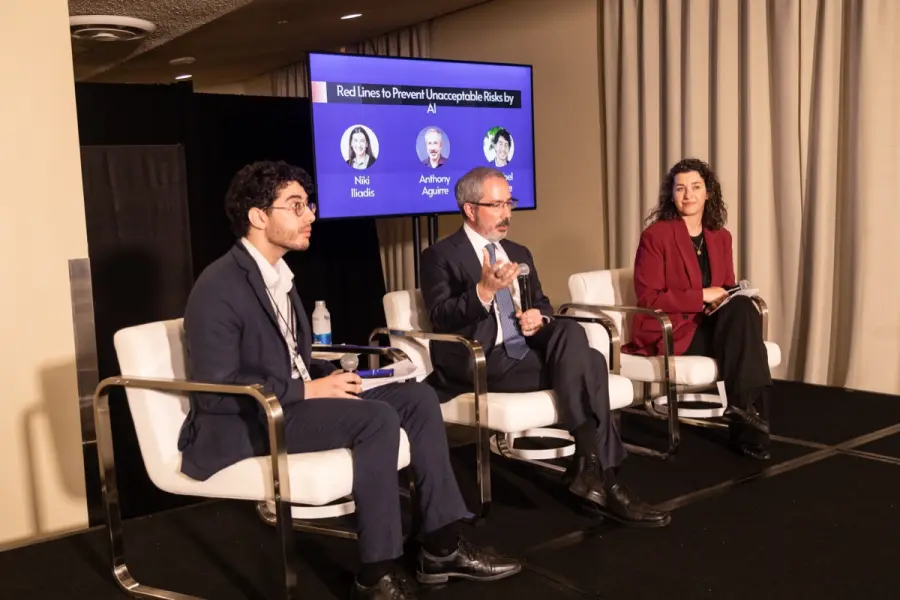
Global Call for AI Red Lines
I was the initiator and co-lead of the Global Call for AI Red Lines, an international campaign calling for governance mechanisms to prevent catastrophic risks from artificial intelligence. Read more here.
- 12 Nobel laureate signatures, 10 former heads of state and ministers, 200+ total signatories
- 300+ media mentions worldwide (The New York Times, Time, BBC, NBC, Le Monde, AP, AFP)
- Presented at the UN General Assembly by Nobel Peace laureate Maria Ressa
- Highlighted by Yoshua Bengio at a high-level meeting of the UN Security Council

EU AI Act — Code of Practice
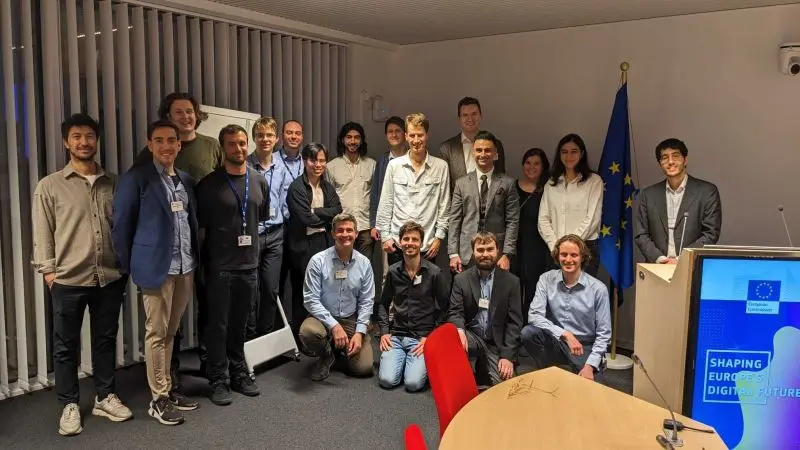
CeSIA is part of the official evaluator consortium for the EU AI Office’s Code of Practice for General-Purpose AI (2026–2028), Lot 4: Harmful Manipulation Risks — alongside Apart Research, Transluce & EquiStamp. Contributed to all three rounds of the Code of Practice; recommendations included verbatim in the final draft.
International Engagements
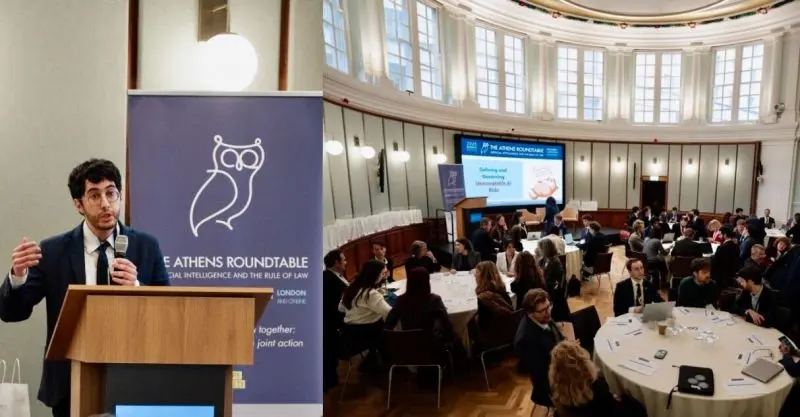
- India AI Impact Summit (Delhi, Feb. 2026) — Convened workshop “Defining and Governing Unacceptable AI Risks” with officials from the EU, Japan, Singapore, Brazil, Denmark, Canada, and UNESCO
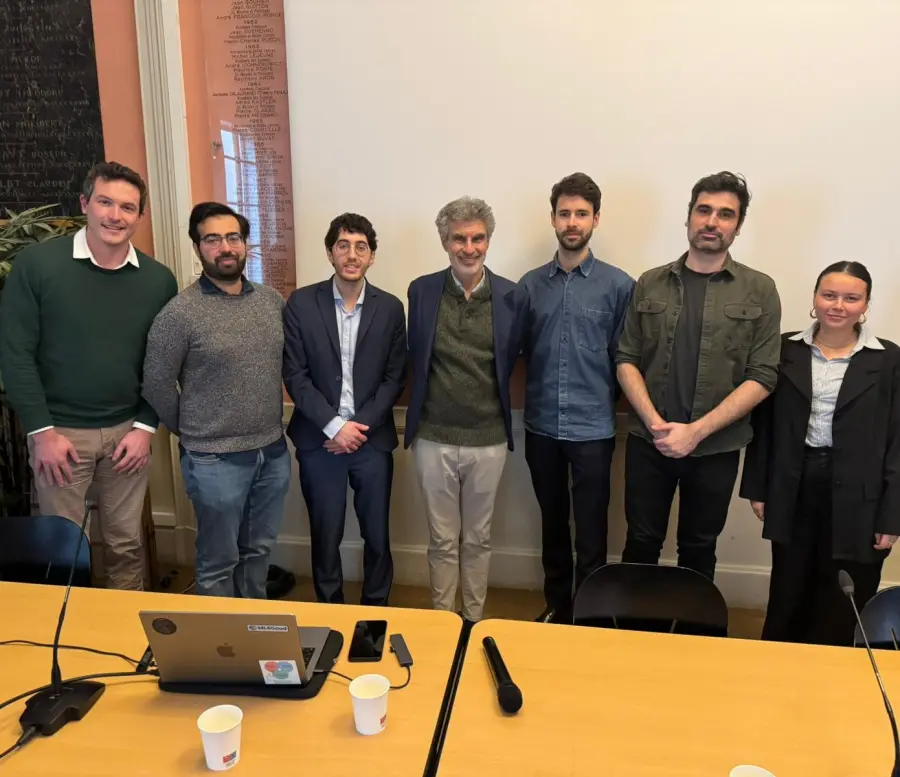
- AI Action Summit (Paris, Feb. 2025) — Co-organized AI Safety Symposium with keynotes by Y. Bengio and S. Russell; hosted official side-event with GovAI, METR, and the UN; CeSIA cited 11 times in the final consultation report
- IASEAI Workshop at UNESCO (Feb. 2026) — Reached consensus on political bottlenecks for AI red lines with international participants and OECD representatives
- Frontier Safety Frameworks Workshop — Co-organized with FAR.AI at AW London (Mar. 2026) with representatives from Anthropic, DeepMind, and other frontier labs
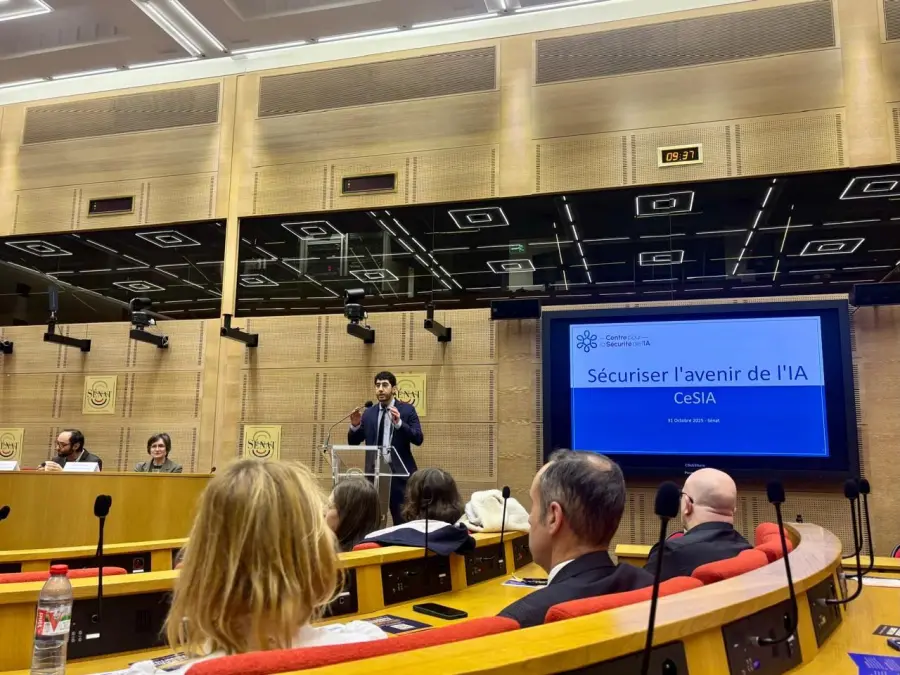
- French Senate (Palais du Luxembourg) — Presented twice on AI risks and governance, including in front of the French AI Minister
- Published on the OECD AI Policy Observatory with Stuart Russell on global AI red lines
Media & Outreach
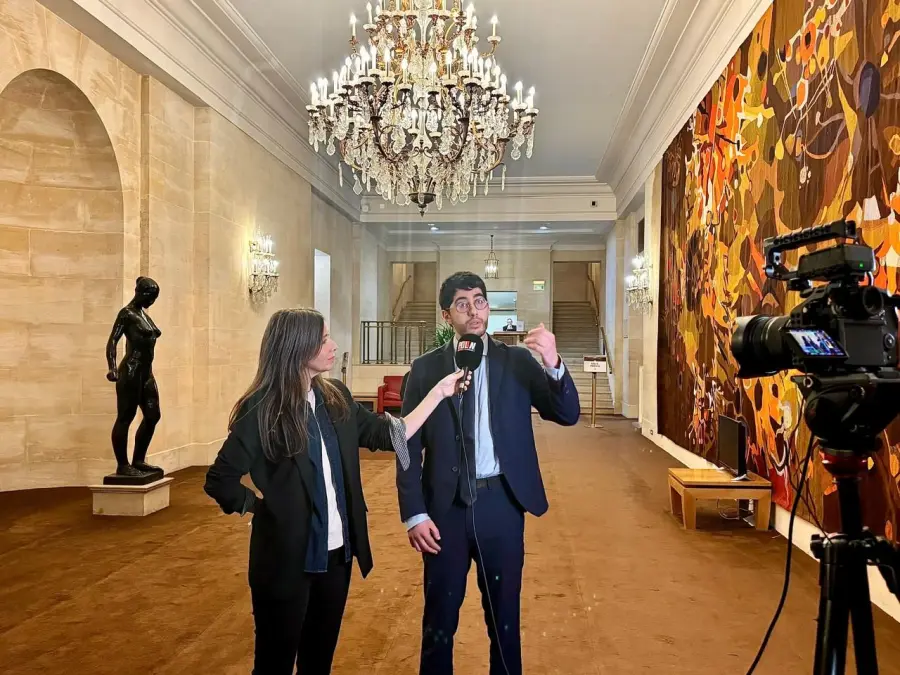
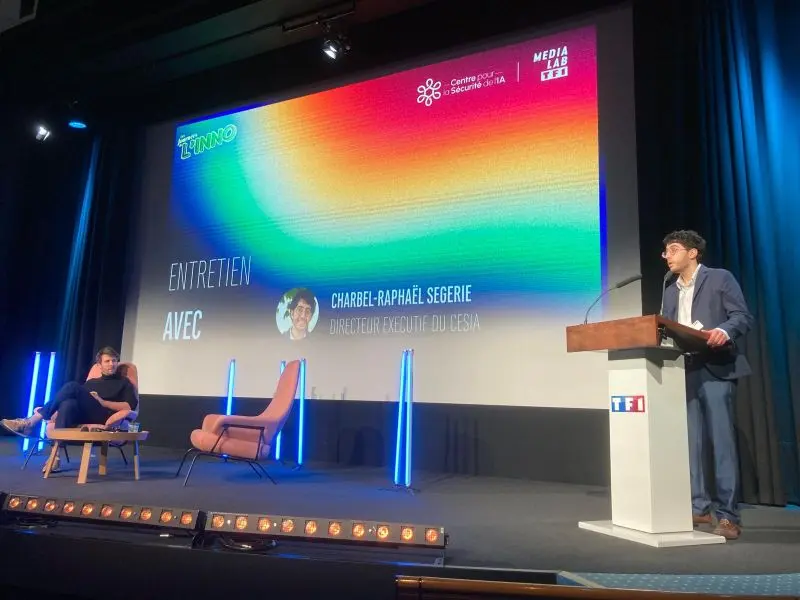
Featured or cited in Le Monde, NBC, The Verge, Les Échos. Appeared on TF1 (France’s main TV channel), France Inter (France’s main public radio), and numerous podcasts and YouTube programmes. Collaborated on a YouTube video on AI risks reaching 5 million views.
Current Roles
- Executive Director & Co-Founder, CeSIA (Centre pour la Sécurité de l’IA), Paris — Leading a team of about 15 across three strategic tracks: France, Europe, and International (2024–present)
- EU AI Act Code of Practice Evaluator (via CeSIA), EU AI Office GPAI Code of Practice — Lot 4: Harmful Manipulation Risks (2026–2028)
- OECD AI Expert, ONE AI Expert Network (2024–present)
- Turing Seminar on AGI Safety — Created the first university-accredited course on general-purpose AI safety in the EU (MVA Master, ENS Paris-Saclay, 2022–2025); supervises the ENS Ulm edition (2022–present)
- Founder & Curriculum Designer, ML4Good — EU Commission-funded programme replicated 20+ times across Europe, Latin America, and beyond; 98% participant recommendation rate; hundreds of alumni now in AI safety careers at EU AI Office, Mistral, MATS, GPAI Policy Lab, and more (2022–present)
Publications
Peer-Reviewed & Conference Papers
- Bucknall, Segerie, Bengio et al. (2025). “In Which Areas of Technical AI Safety Could Geopolitical Rivals Cooperate?” ACM FAccT 2025.
- Dorn, Variengien, Segerie & Corruble (2024). “BELLS: Benchmarks for the Evaluation of LLM Safeguards.” NextGenAISafety @ ICML 2024. Included in the OECD catalogue of tools for trustworthy AI.
- Casper, Segerie et al. (2023). “Open Problems and Fundamental Limitations of RLHF.” Transactions on Machine Learning Research (TMLR).
Reports & Preprints
- Martinet, Abecassis, Segerie, Bengio et al. (2025). “A Blueprint for Multinational Advanced AI Development.” CeSIA & Oxford Martin AIGI Report.
- Grey & Segerie (2025). “The AI Risk Spectrum: From Dangerous Capabilities to Existential Threats.” arXiv:2508.13700.
- Grey & Segerie (2025). “Safety by Measurement: A Systematic Literature Review of AI Safety Evaluation Methods.” arXiv:2505.05541.
- Mariaccia, Segerie & Dorn (2025). “The Bitter Lesson of Misuse Detection.” arXiv:2507.06282.
- Segerie & Gédéon (2024). “Constructability: Plainly-Coded AGIs May Be Feasible in the Near Future.” CeSIA Technical Report.
- Laurençon, Ségerie, Lussange & Gutkin (2024). “Continuous Time Continuous Space Homeostatic RL.” ENS / BITS Pilani collaboration.
- Laurençon, Ségerie, Lussange & Gutkin (2021). “Continuous Homeostatic RL for Self-Regulated Agents.” arXiv:2109.06580.
AI Safety Atlas
- Grey, Segerie et al. (2025). AI Safety Atlas. CeSIA. Used by 1,000+ students worldwide.
Recent Writing
- There is a channel to 900M weekly users. What goes in it? (Sep. 2026)
- OpenAI has already ended an internal pause (Jul. 2026)
- The current bottleneck is political will, not research (Jul. 2026)
- A CERN for AI is a distraction; push for an IAEA instead (Jul. 2026)
- The Invisible Side of AI Governance (Jun. 2026)
- OpenAI’s red line for AI self-improvement is fundamentally flawed (May 2026)
- AI Red Lines: A Research Agenda (Nov. 2025)
- A Call for Better Risk Modelling (Nov. 2025)
- Global Call for AI Red Lines — Signed by Nobel Laureates, Former Heads of State, and 200+ Prominent Figures (Sep. 2025)
All posts on LessWrong · more on X.
Earlier Blog Posts
- Ségerie, C. R. (2023). Against Almost Every Theory of Impact of Interpretability
- Ségerie, C. R. (2023). Davidad’s Bold Plan for Alignment: An In-Depth Explanation
- Ségerie, C. R. (2023). Compendium of Problems with RLHF
Teaching
Turing Seminar — AGI Safety (MVA Master at ENS Paris-Saclay, 2022–2025; ENS Ulm edition, 2022–present): Created the first university-accredited course on general-purpose AI safety in the EU, at a time when virtually no European university offered such training. Course available on YouTube; textbook: the AI Safety Atlas.
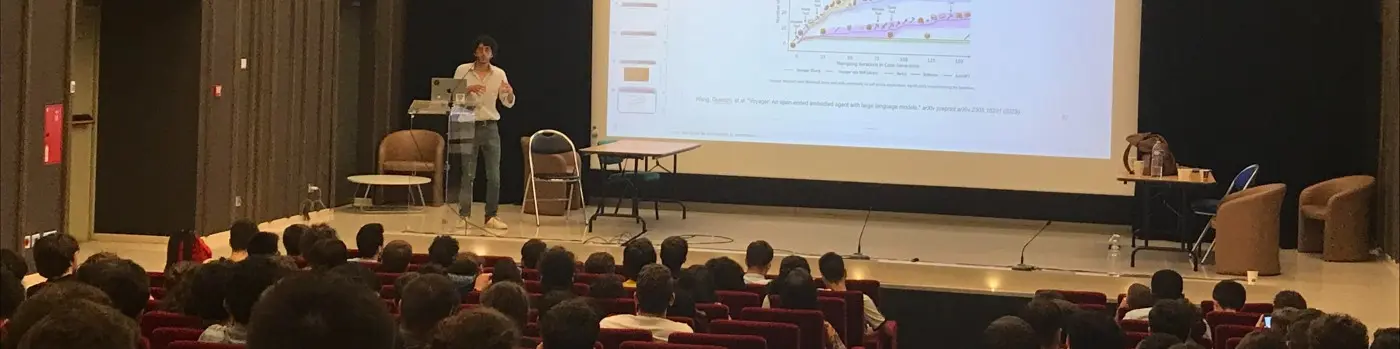
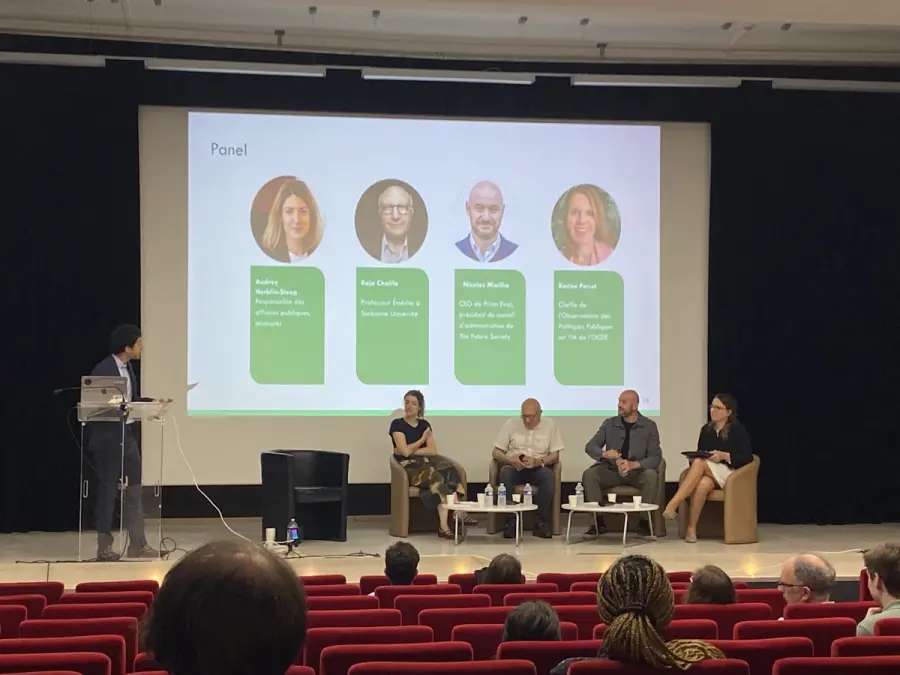
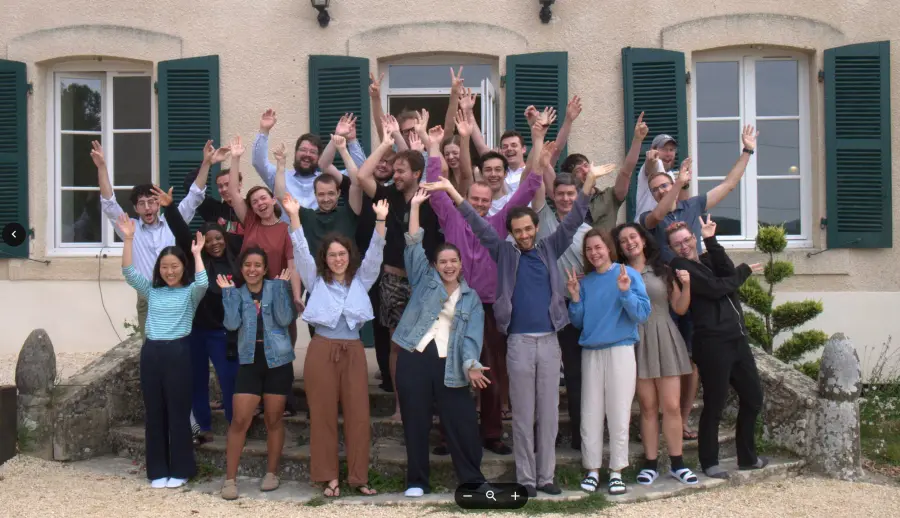
ML4Good Bootcamps: Designed the curriculum for the international ML4Good bootcamps. The programme has been replicated 20+ times worldwide (France, Germany, Switzerland, Latin America, and beyond). EU Commission-funded. 98% participant recommendation rate.
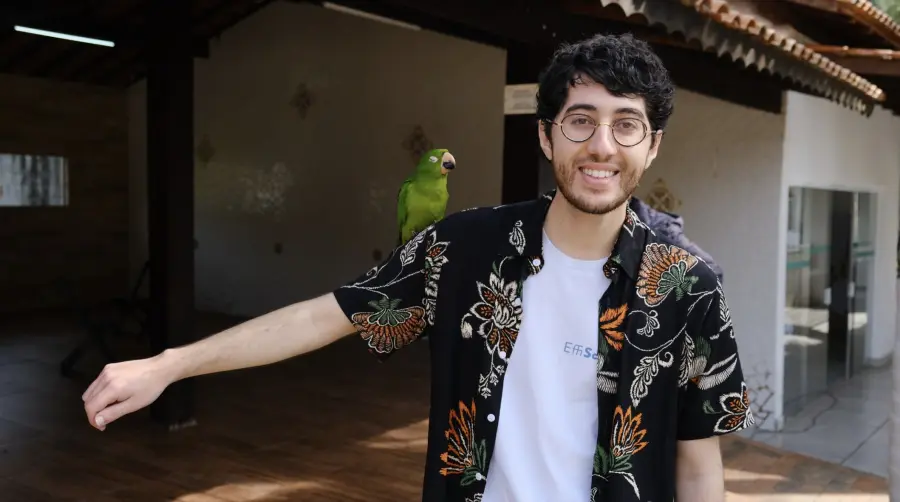
Responsible ML: Contributed to the Responsible Machine Learning course (MVA Master), evaluating student groups on technical AI safety projects.
MLAB, TA, Berkeley: TA during the MLAB — hands-on introduction to state-of-the-art ML techniques (transformers, deep RL, mechanistic interpretability).
AI Safety Atlas
Scientific director and co-author of the AI Safety Atlas — a comprehensive textbook on AI safety used by 1,000+ students worldwide. The Atlas serves as the course material for the Turing Seminar and ML4Good bootcamps.
Previous Experience
- Head of the AI Safety Unit, EffiSciences, Paris (2022–2024) — Led the AI safety division, delivered courses at ENS Paris-Saclay and ENS Ulm, organized hackathons at Collège de France, École 42, Meta, and ENS Ulm, supervised student research on interpretability and AI safety
- CTO, Omniscience (startup), Paris (2021–2022) — Built a search engine for semi-automated literature reviews using NLP and semantic retrieval
- Research Intern, Inria Parietal & NeuroSpin (CEA), Saclay (2021) — Machine learning for neuroimaging: EEG/fMRI statistical methods and brain-computer interfaces
Education
- MVA Master (Mathematics, Vision, Learning), ENS Paris-Saclay (2020–2021)
- Engineering Degree, École Nationale des Ponts et Chaussées (2017–2019)
Open Source Software
I've contributed to several open-source projects:
- ML4G — Repository containing practical sessions of the AI safety bootcamps. Main developer.
- mne-bids-pipeline — Template for group EEG studies using MNE Python.
- AutoML — Active learning library across different modalities. Main contributor.
Earlier Research & Student Projects
SinGAN analysis with PatchMatch algorithm
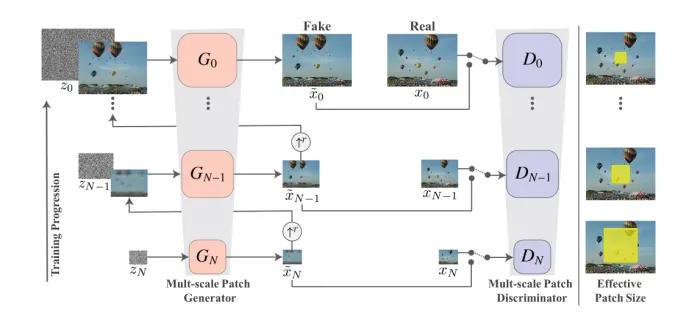
SinGAN is a generative model that can be learned from a single natural image. We propose a rigorous method to evaluate the image creation capabilities of a GAN using the PatchMatch algorithm.
A new attention architecture
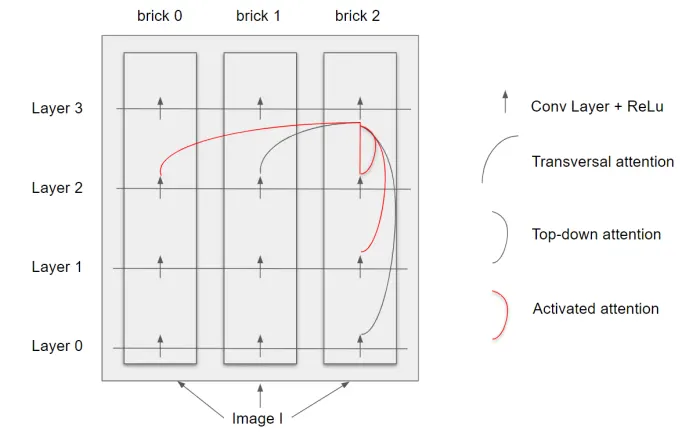
The human brain combines top-down and bottom-up signals. Bottom-up signals result from direct perception, while top-down signals take into account past experience.
Graphical Models
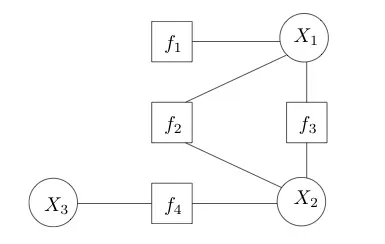
Worked on the Belief Propagation algorithm, unifying notations between causal Bayesian graphs and factor graphs.
Bayesian Machine Learning
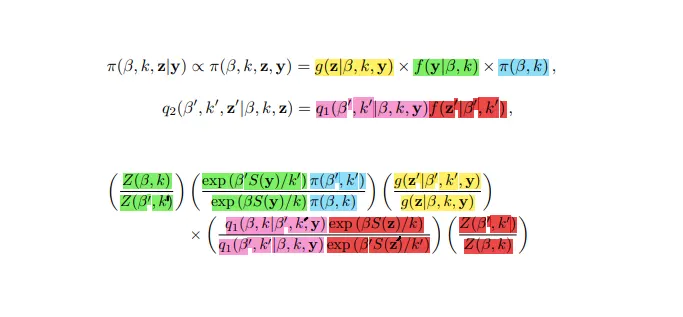
Worked on the coherence of the nearest neighbor algorithm with Bayesian axioms of probability.
3D Computer Vision
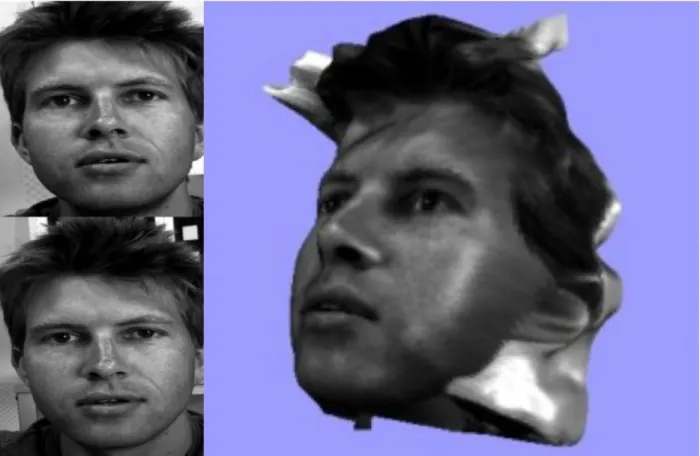
Reconstructed a face in 3D from two photos.
Neuroimaging Projects
BCI Competition
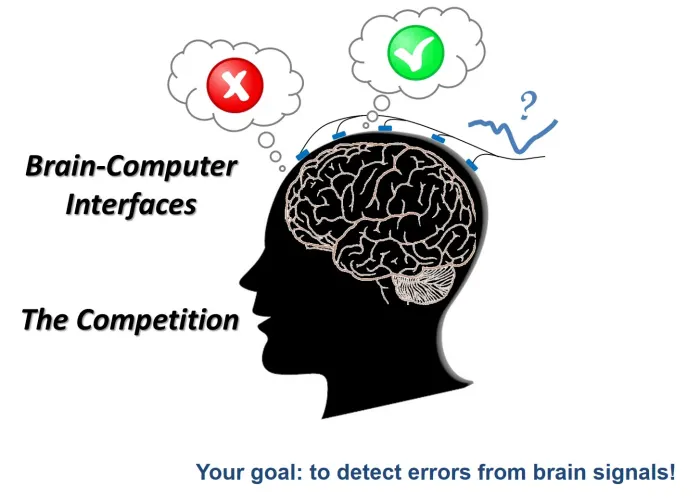
A solution to the Inria-BCI competition, ranked 4th in the original competition.
fMRI Statistics
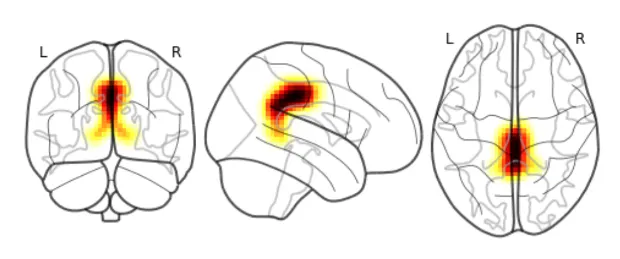
Efficient implementation of All resolution inference for brain imaging.
EEG Analysis
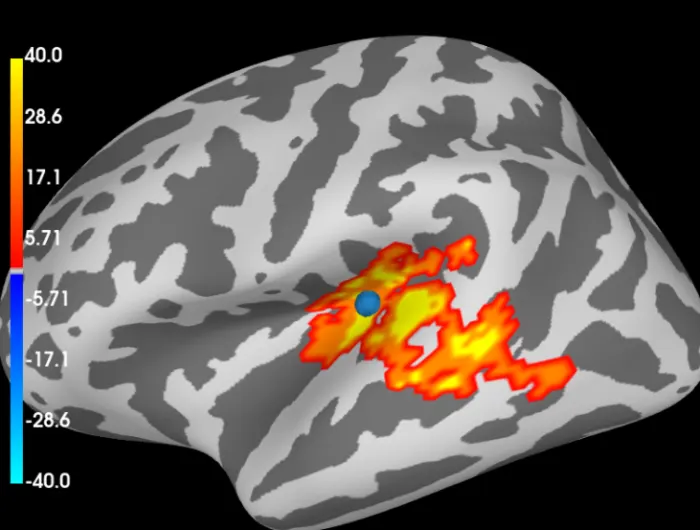
MEG signal analysis methodology using the MNE library.
Competitions
KIRO 2018 — Winner

Winner's solution in partnership with Air France. Iterative solution to the scheduling problem of the Air France aircraft fleet.
KIRO 2019 — Winner
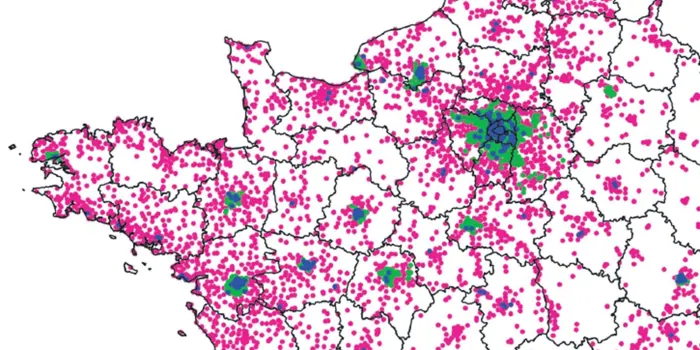
Winner's solution for the 5G network optimization competition.
Fun
Consciousness
A blog post claiming to have dissolved the hard problem of consciousness.
Biostatistics
A critique of the statistical methodology used by two highly cited papers written at the beginning of the Covid epidemic.
Automatic Boogie Woogie Generation
Boogie-Woogie is great fun to play on the piano, and it's also pretty easy to automate.
Gestalt Essay
Using concepts from Gestalt psychology to describe patterns in Escher's birds — in a way the ancestor of neural network interpretability.